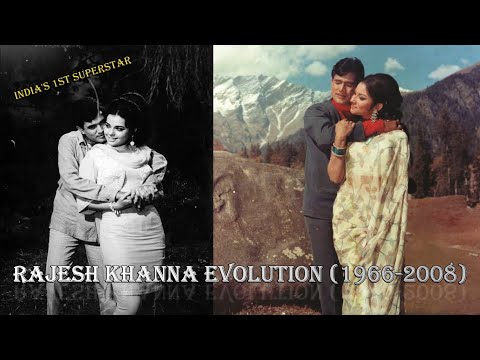
Discover the unbelievable true story behind the making of Aradhana (1969). Did you know the film was almost cancelled just 24 hours before shooting? From Shammi Kapoor’s physical transformation to a shocking script clash with Surinder Kapoor’s Ek Shriman Ek Shrimati, witness how director Shakti Samanta navigated a financial crisis to create India's first "Official Superstar." We dive deep into the midnight rewrites, the "Double Role" gamble, and the musical magic of the Samanta-Khanna-Kishore trio that changed Bollywood forever. Video Timeline (10 Minutes): 0:00 - 1:15 | The Hook: The "What If?" Intro: How Rajesh Khanna’s stardom depended on Shammi Kapoor’s weight. The 1968 screening that almost ended Aradhana before it began. 1:15 - 3:00 | Chapter 1: The Golden Prelude (1964) The massive success of Kashmir Ki Kali. The Shammi-Sharmila chemistry and the "Kashmir Magic." 3:00 - 4:30 | Chapter 2: The Paris Gamble & The Strike The high-budget An Evening in Paris and the 1967 cinema strike. Shakti Samanta’s financial crisis and the need for a "quickie" movie. 4:30 - 5:45 | Chapter 3: The Stagnation Why Jaane Anjaane was put on hold. The blunt truth: Samanta’s ultimatum to an overweight Shammi Kapoor. 5:45 - 7:30 | Chapter 4: The 2 AM Miracle (The Pivot) The shocking screening of Ek Shriman Ek Shrimati. The Bhowmick Error: How two films got the same climax. Gulshan Nanda’s midnight save: Introducing the "Double Role." 7:30 - 8:45 | Chapter 5: The Phenomenon is Born The release of Aradhana and the "Rajesh Khanna Mania." How the 15-hit streak began. 8:45 - 10:00 | Conclusion: The Legacy Impact on the "Trio" (Samanta, Khanna, Kishore). The shift from Shammi's "Yahoo" to Kaka's romance. Final thoughts on the "Showman" Shakti Samanta. This video is for educational and historical purposes only. It features transformative commentary and analysis of Indian cinema history. Section 52 of the Copyright Act, 1957 (India): Allows "fair dealing" of copyrighted material for the purposes of criticism, review, and reporting, especially for historical or educational instruction. Content Used: Short clips/images for context and storytelling. Purpose: Research and documentary-style analysis of Aradhana (1969). Credit: All rights belong to the original owners (Shakti Films, etc.). If any copyright owner has an issue with the content used, please contact us directly before taking action.
- 2347Просмотров
- 5 дней назадОпубликованоYaadon Ke Panne
Shakti Samanta almost cancelled Aradhana with Rajesh Khanna | Story of Indias first superstar
Похожее видео








Популярное
Новини