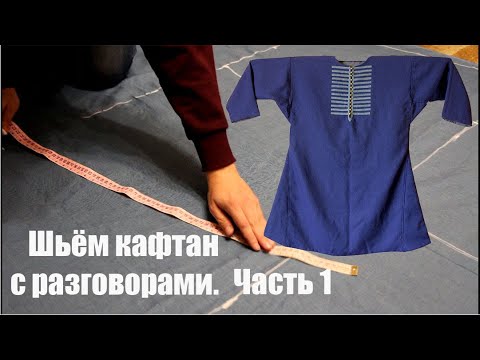
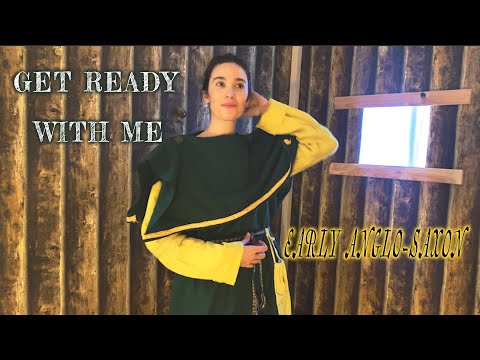
Early Anglo-Saxon warriors wore a wrap-around kaftan or jacket, influenced originally by Eastern steppe nomad tribes which spread their culture across Europe during the Migration period. This wrap around jacket inspired the dress of the warrior elite from Japan and China, all the way along the silk road, to Northern Europe. The warcoat can be seen in depictions of warriors on the helmet plates of the Sutton Hoo and Vendel period helmets, as well as in various other pressblech plates. Some Anglo-Saxon princely burials such as Taplow also appear to have a gold brocade tablet weave crossing the chest, indicative of just such a warcoat. This wrap around coat appears to be associated with Anglo-Saxon warrior culture, only seen on dancing spear warriors and battle scenes, and they may have been richly decorated, depending on the status of the wearer. As there are no intact archaeological finds of the kaftan in Northern Europe, the pattern of this jacket was inspired by the patterns of the Högom and Bernuthsfeld tunics, with a simple wrap around front made from a square cut diagonally. The back panel is a simple square and the sleeves are also made from a square cut diagonally, with triangle gores. The trim on the chest and around the neck is a simple strip, folded in half and sewn onto the hem of the warcoat. This pattern utilises only squares and triangles, meaning there is very little wastage, the original panels could even have been woven to size. The fabric is a soft will wool, of natural white and brown fleece, sewn with two-ply wool thread. The pattern pieces were hemmed first with a simple overcast stitch, and then sown together with a Thorsberg-style seam. Wool and fine clothes were valuable in Anglo-Saxon society; a culture which valued portable, visual displays of wealth. Individuals would decorate and embellish their clothes as and when they could afford the time, effort and wealth to do so. This warcoat has been left plain for now, with little decoration apart from extra care taken with the stitching. But future videos may detail extra decoration added to the warcoat in the form of tablet weave, embroidery or decorative seam treatment. Anglo-Saxon and Early Medieval people may well have decorated their garments as and when they had the time and disposable income available. If you would like to support me further, you can become a patron here: Join this channel to become a member: Or make a one-off donation:
- 47478Просмотров
- 1 год назадОпубликованоGesiþas Gewissa | Anglo-Saxon Heritage
Making an Anglo-Saxon Warriors Kaftan by Hand - Part I | Early Medieval Clothing & Sewing
Похожее видео
Популярное
Новини