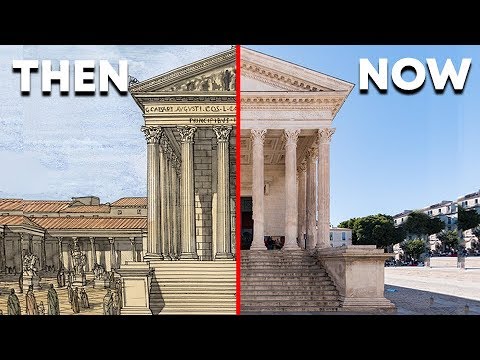
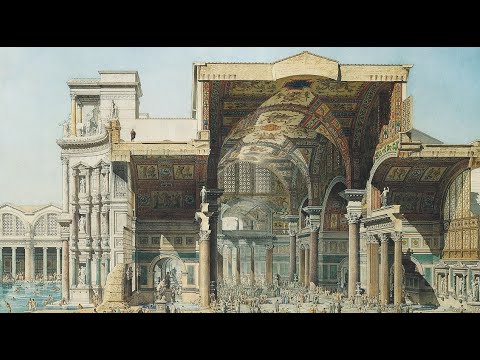
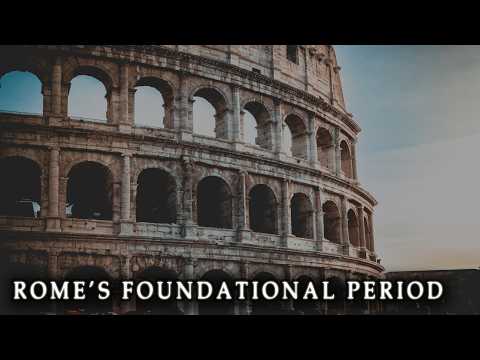
Roman Architecture was a defining feature of the Roman Empire’s legacy, blending functionality, engineering innovation, and monumental aesthetics to create a built environment that symbolized power, order, and civilization. Emerging from Etruscan and Greek influences, Roman architects developed their own distinct style, marked by the widespread use of concrete, which allowed for greater flexibility in design and the construction of vast interior spaces. This material, combined with structural innovations like the arch, barrel vault, and dome, enabled the Romans to build infrastructures that were not only durable but also visually striking. Roman architecture served a wide range of purposes religious, civic, military, and domestic. Temples, such as the Maison Carrée, reflected the empire’s religious traditions, while public buildings like basilicas and forums became centers of administration and social life. Amphitheaters like the Colosseum and bath complexes such as the Baths of Caracalla showcased the Roman commitment to leisure and public spectacle, offering space for thousands of citizens to gather. Roads, bridges, and aqueducts demonstrated Rome’s mastery in civil engineering, connecting distant provinces and ensuring the flow of resources across the empire. In addition to grand public structures, Roman architecture also shaped private life. Wealthy citizens built luxurious villas with courtyards, mosaics, and private baths, while urban dwellers lived in insulae—multi-story apartment buildings that reflect the density and complexity of Roman urban life. The impact of Roman architecture has endured for centuries, influencing Renaissance, Baroque, and even modern architectural styles. Its principles of symmetry, order, and monumental scale continue to inspire city planning and building design to this day. Roman architecture was more than construction it was a statement of imperial identity, cultural ambition, and technological mastery.
- 2926Просмотров
- 4 месяца назадОпубликованоHistorify
Roman Architecture I Roman History Documentary I Part I
Похожее видео




Популярное
Новини