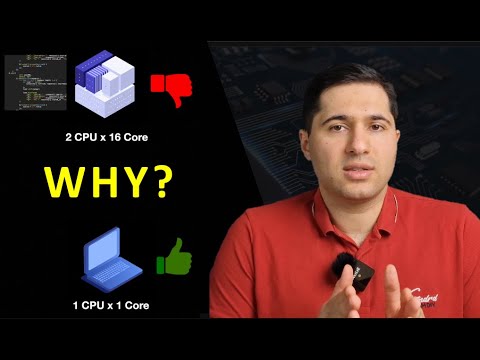
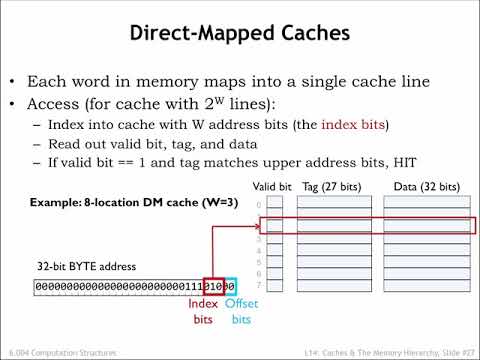
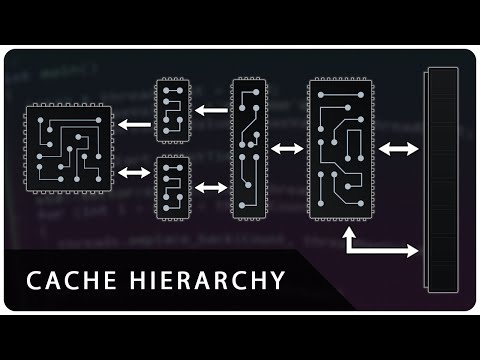
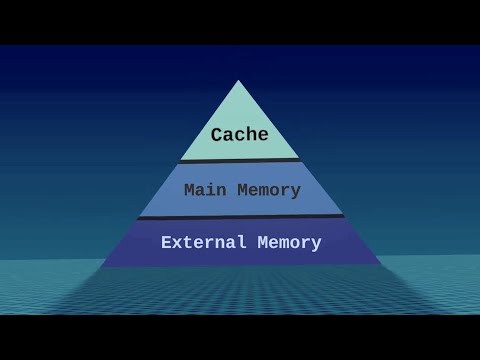
Your CPU is fast… but your memory isn't. So how does your computer keep up with modern code execution speeds? The secret is CPU caches — ultra-fast memory that lives inside the processor itself. In this episode of "What Every Programmer Should Know About Memory", we dive into L1, L2, and L3 caches, how they work, why they're essential, and how your code can use them better. 🔍 What You’ll Learn: ✅ What CPU caches are and why they exist ✅ How L1, L2, and L3 caches differ (and how they work together) ✅ What happens during a cache miss or cache hit ✅ How data locality affects cache performance ✅ How to write cache-friendly code that actually runs faster 🚀 Whether you're working on embedded systems or high-level software, understanding cache behavior is key to performance. 💡 Don’t forget to subscribe and turn on the bell 🔔 so you don't miss Part 3 and beyond! 🔗 Helpful Links & Resources 📚 Best Books for Low-Level Programming Optimization → [ ~lstewart/articles/ ] 💬 Let’s Talk! Have you ever optimized your code for better cache usage? 💬 Share your tips or questions in the comments — or ask about a future topic! 📌 Like 👍 | Comment 💬 | Subscribe 🔔 to support the series and join the deep-dive community! 🧠 Hashtags for SEO: #CPUCaches #MemoryHierarchy #CacheMiss #ProgrammingPerformance #LowLevelProgramming #CodingTips #SoftwareEngineering #WhatEveryProgrammerShouldKnow
- 1743Просмотров
- 7 месяцев назадОпубликованоML Guy
How CPU caches work - SIMPLY Explained
Похожее видео






Популярное
Новини