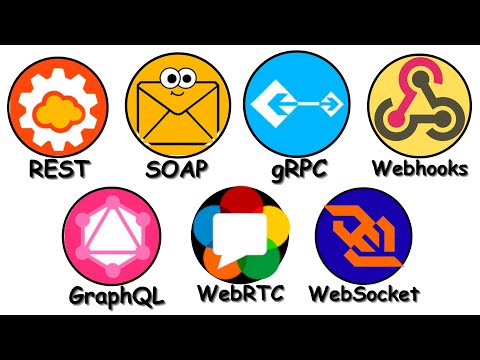
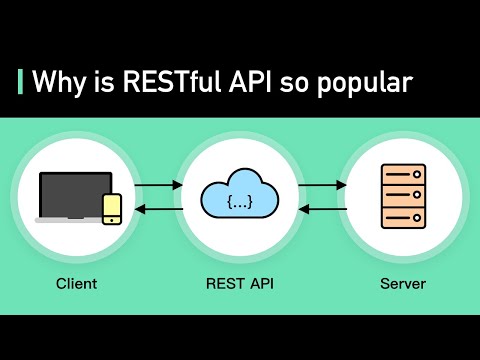
From REST to WebSockets, from DNS to load balancers — this is the complete guide to understanding APIs and how to scale them. Whether you're building your first API or preparing for system design interviews, this video breaks down everything you need to know. ⸻ Chapters: 00:00 The Client-Server Model & What Is an API? 00:19 Quick Recap 00:42 APIs over HTTP 02:03 How DNS Resolution Works 03:27 REST APIs Over HTTP 04:40 Anatomy of REST APIs 07:35 REST API Principles 08:05 The HTTP Pull Problem 09:31 WebSockets: Bidirectional Communication 10:48 API Frameworks: WebRTC, gRPC, GraphQL 13:28 Scaling Your APIs 13:49 Vertical Scaling 14:12 Horizontal Scaling 14:46 Load Balancers & Routing Strategies 16:28 Stateful vs Stateless Services 18:30 Idempotent APIs 19:28 Summary & Next Steps ⸻ What you'll learn: - How DNS resolvers work (recursive → root → TLD → authoritative) - REST API request/response structure with headers and status codes - Why HTTP's request-response model fails for real-time apps - WebSocket handshake and bidirectional communication - Modern API frameworks: WebRTC (P2P), gRPC (service contracts), GraphQL (query optimization) - Vertical scaling limits and why horizontal scaling wins - Load balancer strategies: static, dynamic, latency-based routing - Why stateless services are crucial for scaling - What makes an API idempotent (and why it matters) Practice Building APIs: Ready to implement what you've learned? Visit to: - Experiment with REST APIs and Load Balancers Perfect for: - Backend engineers learning API design - Students preparing for system design interviews - Developers transitioning to microservices - Anyone building scalable web services Prerequisites: - Basic understanding of networking (watch "The Journey of a Network Packet" first!) - Some programming experience helpful - No prior API knowledge required Next in the series: Database replication, consistency protocols, and consensus algorithms! Connect with me: LinkedIn: Practice: #APIs #REST #WebSockets #SystemDesign #BackendDevelopment #Microservices #LoadBalancing #Scaling #SoftwareEngineering #WebDevelopment
- 4434Просмотров
- 3 месяца назадОпубликованоTrie Lab
How APIs Actually Work - From Your First Request to Scaling Millions
Похожее видео








Популярное
Новини