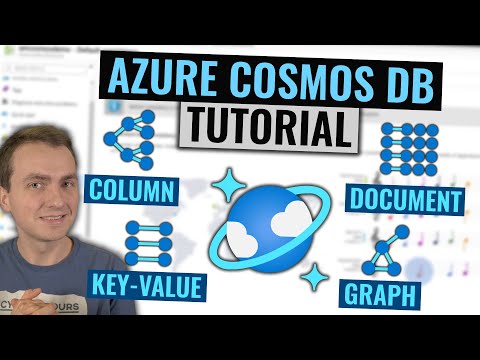
Considering Cosmos DB for your project? We'll help you navigate this powerful but potentially expensive database solution. As Microsoft's enterprise-grade distributed database service, Cosmos DB offers impressive capabilities - but comes with important considerations for teams making infrastructure decisions. ▬▬▬▬▬▬ ⚡ Resources ▬▬▬▬▬▬ ► Full Cosmos DB deployment tutorial ► Infrastructure as Code examples with Pulumi ► Performance optimization guides ► When to Use Cosmos DB: In this technical deep-dive, we explore: - The true cost structure compared to alternatives - Architectural differences from traditional databases - Multi-model capabilities and API options - Partition management and scaling strategies - Operational advantages and potential drawbacks Whether you're migrating from MongoDB, scaling beyond traditional SQL, or building new cloud-native applications, understanding these fundamentals is crucial. We'll help you determine if Cosmos DB's operational simplicity and powerful features justify its cost for your specific use case. 📒 Chapters 📒 00:00 - The Cost Truth About Cosmos DB 00:31 - Understanding Cosmos DB Basics 01:06 - Database Comparison Framework 02:11 - Architecture Deep Dive 03:02 - JSON Document Structure 04:00 - Relational Database Limitations 05:18 - Understanding Cost Models 06:14 - Partition Strategy Explained 07:00 - Scaling and Performance 09:28 - Cassandra vs Cosmos DB 10:55 - Operational Management 11:31 - AWS Dynamo DB Comparison 12:32 - When to Choose Cosmos DB 13:05 - Cost Considerations 14:09 - Infrastructure Resources ▬▬▬▬▬▬ Want to learn more? ▬▬▬▬▬▬ 🎓 Register for live workshops and Q&A: 🚀 Get Started with Pulumi: 🤖 Try Pulumi AI: 💬 Talk with us:
- 4683Просмотров
- 1 год назадОпубликованоPulumiTV
When to use Cosmos DB?
Похожее видео











Популярное
Новини