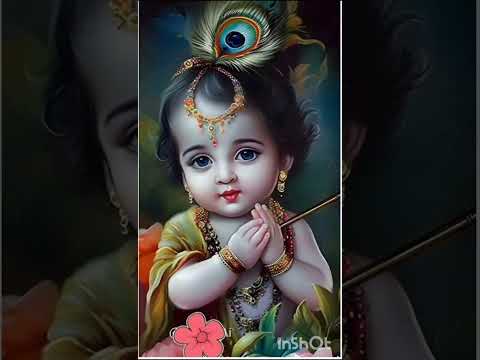
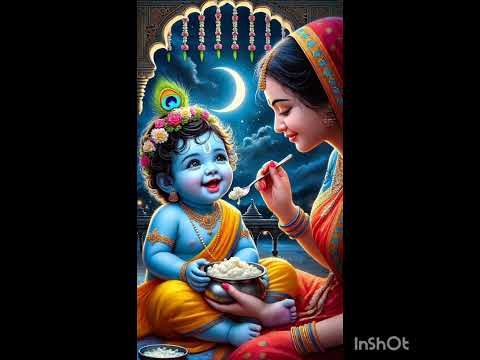
📜 Narayaneeyam: A Devotional Masterpiece in Shlokas Narayaneeyam is a revered Sanskrit composition of 1036 shlokas, condensed from the Bhagavata Purana by Melpathur Narayana Bhattathiri in the 16th century. It was composed at the Guruvayur temple, where Bhattathiri, afflicted by paralysis, surrendered to Lord Krishna and composed one Dasakam (typically 10 shlokas) each day for 100 days. ✨ Spiritual Themes in the Shlokas Each shlokam blends devotion (bhakti), philosophy, and poetic beauty, covering: - The ten avatars of Vishnu, starting with Matsya (fish), as instructed by the saint Thunchath Ezhuthachan. - Divine leelas (pastimes) of Krishna and other incarnations. - Metaphysical insights into creation, dharma, and moksha. - Personal surrender, culminating in Bhattathiri’s ecstatic vision of Lord Krishna in the final Dasakam. 🙏 Purpose and Impact The shlokas are not just literary gems—they are spiritual invocations. Each ends with a prayer for healing and divine grace. Tradition holds that Bhattathiri was miraculously cured on the 100th day after receiving a vision of the Lord. 🕉️ The Daily Practice of Narayaneeyam for Inner Peace A daily practice—whether chanting, listening, or meditating on its verses—cultivates: - 🧘♂️ Mental Stillness through rhythmic recitation - 💫 Spiritual Clarity by reflecting on Krishna’s divine play - ❤️ Emotional Balance through bhakti-infused storytelling - 🌸 Inner Healing by invoking the Lord’s compassionate presence Whether done in the quiet of dawn or the calm of dusk, Narayaneeyam becomes a sacred companion—offering peace, protection, and the joy of divine remembrance. 🕉️ Narayaneeyam’s Timeless Wisdom Applied to Modern Living In a world of constant motion, Narayaneeyam offers stillness. Composed over 1,000 years ago, its verses remain strikingly relevant today—guiding us from stress to surrender, from distraction to devotion. Each Dashakam is not just a poetic hymn but a spiritual blueprint for navigating modern life. - 🧭 Clarity in Chaos: Krishna’s leelas remind us that divine order exists even in seeming disorder. - 💼 Grace in Action: Bhattathiri’s surrender during illness teaches resilience and faith amid personal trials. - 🧘♀️ Mindful Living: Reciting or reflecting on Narayaneeyam cultivates presence, humility, and inner peace. - ❤️ Emotional Intelligence: The Gopis’ devotion and Yashoda’s maternal love model relationships rooted in empathy and trust. - 🌍 Universal Dharma: The text transcends caste, creed, and time—inviting all into the fold of bhakti. Whether in boardrooms or quiet corners, Narayaneeyam whispers a truth modern life often forgets: that joy, healing, and purpose arise when the heart turns inward toward the divine. 🕉️ A Deeper Dive into the Spiritual Journey within Narayaneeyam Narayaneeyam is not merely a devotional hymn—it is a soul’s pilgrimage from suffering to surrender, from duality to divine union. This spiritual journey unfolds in layers: - 🌟 Bhakti as Medicine: Bhattathiri’s pain transforms into prayer, showing how devotion itself becomes healing. - 📿 Leela to Liberation: From Krishna’s playful childhood to His cosmic form, the text guides the seeker from delight to detachment. - 🧘♂️ Surrender over Struggle: The poet’s humility deepens with each verse, revealing that true wisdom lies in letting go. - 🔱 Unity in Diversity: Narayaneeyam harmonizes Vedantic insight with Puranic storytelling, making it accessible yet profound. - 💫 Grace as the Goal: The final Dashakam culminates in a plea—not for miracles, but for the Lord’s presence, which is the highest bliss. To dive deeper into Narayaneeyam is to walk the path of inner refinement—where poetic beauty meets spiritual clarity, and every verse becomes a mirror to the soul. 🕉️ Unpacking the Profound Symbolism of Narayaneeyam’s Overarching Narrative Narayaneeyam is not just a devotional composition—it is a layered spiritual tapestry where every Dashakam unfolds symbolic truths. - 🔱 Krishna as the Inner Self: From infant mischief to cosmic form, Krishna symbolizes the soul’s journey—from playful ignorance to divine realization. - 🧘♂️ Bhattathiri’s Illness as Karma: His physical suffering mirrors the soul’s bondage, and his poetic surrender reflects the path of bhakti as liberation. - 🌊 Leelas as Inner Milestones: Each divine act—slaying demons, revealing the universe, playing the flute—represents the conquest of ego, illusion, and desire. - 🌸 Yashoda’s Maternal Love: Her forgetfulness of Krishna’s divinity after cosmic visions symbolizes maya’s veil and the beauty of unconditional devotion. - 🔮 Dashakam Progression: The narrative moves from playful episodes to philosophical depth, culminating in the vision of Vishnu’s supreme form—symbolizing the soul’s ascent to moksha. In essence, Narayaneeyam is a spiritual mirror. Its stories are not just about Krishna—they are about us. To read it is to journey inward, where divine play becomes self-discovery.
- 34Просмотров
- 2 недели назадОпубликованоSacred Spectrum
80th Dashakam_Narayaneeyam Slokam@Sacred_Spectrum
Похожее видео


Популярное
Новини