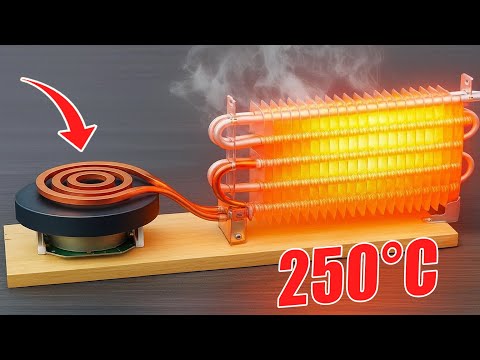
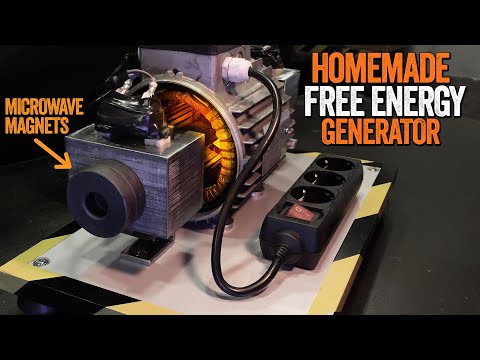
Related video: Welcome to Totally Hacks — where unconventional DIY ideas turn into real-world experiments. In today’s video, I build and test a creative heat and energy experiment using recycled household components that most people would normally throw away. This setup combines a washing machine motor, fan-driven airflow, copper piping, a capacitor, a transformer, and an evaporator coil salvaged from an old refrigerator to explore how mechanical motion, airflow, and heat transfer can work together in a practical DIY system. This is a hands-on experiment, not a theory or simulation. Every part is real, assembled step by step, and tested under real conditions. By carefully managing airflow and heat exchange through copper tubing and the refrigerator evaporator coil, this build demonstrates how waste heat can be generated, transferred, and reused using simple engineering principles. If you’re interested in DIY engineering, energy experiments, heat recovery, off-grid concepts, or recycled appliance projects, this video will give you plenty of ideas. The combination of mechanical rotation, electrical components, and thermal exchange makes this a fascinating example of how everyday scrap parts can be repurposed into something functional and educational. Watch until the end to see the final test and temperature results, and judge the experiment for yourself. ✅ What You’ll Learn • How a washing machine motor and fan can drive airflow • Using copper pipe and evaporator coils for heat transfer • The role of capacitors and transformers in DIY systems • How recycled appliance parts can be reused creatively • Practical insights into heat recovery and efficiency 🔗 Related Videos 👍 Like, comment, and subscribe for more DIY experiments, recycled engineering builds, and Totally Hacks–style creative inventions. #TotallyHacks #DIYExperiment #RecycledEngineering #HeatRecovery #CopperPipe #EvaporatorCoil #WashingMachineMotor #DIYEnergy #EngineeringExperiment #HomeDIY #SmartHacks #OffGridIdeas #ApplianceReuse
- 363942Просмотров
- 1 месяц назадОпубликованоTotally Hacks
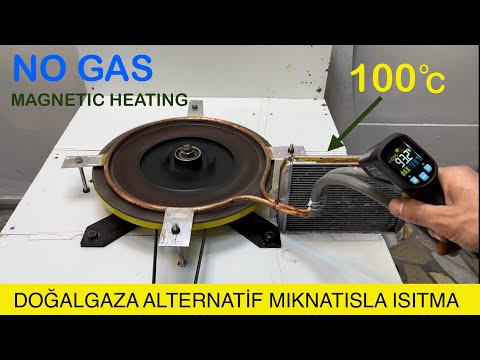
How to make free, forever heat from a washing machine engine and copper pipes.
Похожее видео



Популярное
Новини