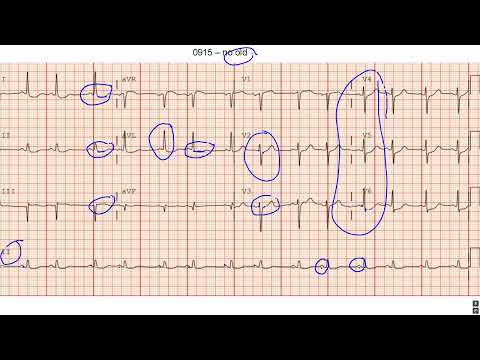
Free RACE-Approved Training on Intravenous Potassium Supplementation: Free veterinary emergency tools, protocols, and articles: VETEMCRIT Calculator: If you're new to my channel, I am Igor Yankin, a small animal emergency and critical care specialist based in Texas. You might know me as the founder of , where I’ve spent the last several years creating evidence-based tools, case discussions, and training for veterinarians working on the front lines of emergency and critical care. My story in ECC started back in 2010 when I worked full-time ER shifts. After five intense years, I completed a small animal rotating internship at Oregon State University, followed by an ECC residency at the University of Florida. Since 2019, I’ve been practicing as a veterinary criticalist. Over the years, I’ve noticed that what most ER vets and techs need isn’t just more information — it’s a way to connect, discuss real cases, and keep growing together without judgment. That realization inspired me to create something new — a space where emergency and critical care professionals can come together, learn, and support each other in a meaningful way. That space is now called the VetEmCrit Academy — a growing community for those who want to stay sharp, confident, and connected in ECC practice. If you’re ready to see what’s inside and how it works, learn more by going to Managing Ventricular Tachycardia in Dogs: Step-by-Step Treatment Approach In this episode, we dive into the high-stakes situation of managing ventricular tachycardia (VT) in dogs when first-line antiarrhythmic therapies such as lidocaine fail. We begin with a review of the main diagnostic criteria for VT and how to differentiate it from similar arrhythmias like supraventricular tachycardia with aberrancy and accelerated idioventricular rhythm. After confirming VT, we discuss assessing cardiovascular stability and moving through a step-by-step approach to treatment, including the use of drugs like lidocaine, procainamide, and magnesium sulfate. We also cover long-term management with oral medications like sotalol and mexiletine, and explore options for refractory cases, including electrical cardioversion. Lastly, we emphasize the importance of ruling out systemic causes of VT and when to consider echocardiography and other tests to identify underlying structural heart diseases. Check out our free resources and courses in the description below for more veterinary emergency and critical care insights! 00:00 Introduction to Ventricular Tachycardia in Dogs 00:18 Diagnostic Criteria for Ventricular Tachycardia 02:30 Differentiating Ventricular Tachycardia from Similar Rhythms 04:17 Assessing Cardiovascular Stability 05:13 Initial Treatment with Lidocaine 06:21 Confirming Ventricular Tachycardia with ECG 09:44 Systemic Causes and Additional Diagnostics 11:31 Second-Line Treatments and Magnesium Use 13:07 Transitioning to Oral Therapy 14:25 Managing Refractory Ventricular Tachycardia 15:55 Electrical Cardioversion 17:44 Conclusion and Final Thoughts
- 423Просмотров
- 3 месяца назадОпубликованоVetEmCRIT
For ER Vets: Step-by-step approach to V-TACH in dogs and cats
Похожее видео







Популярное
Новини