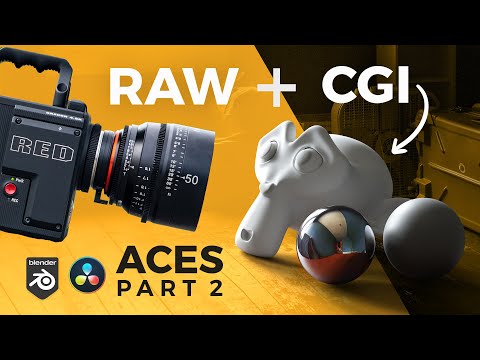
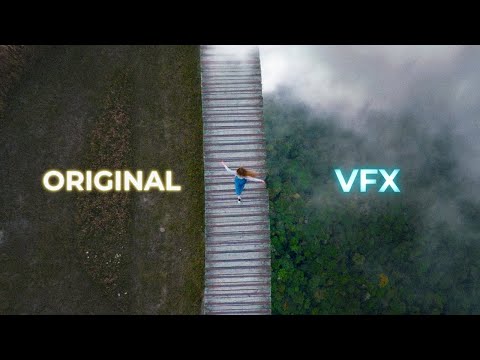
🎬 Want to learn more? Join the VFX Community: 👉 🚀 All project files and assets are included! Watch Part 1: Working in an ACES color pipeline ensures consistent color management and a high dynamic range (HDR) workflow, helping maintain the full detail of your render. To add realism, you can introduce subtle imperfections like lens flares, grain, and slight noise to simulate real-world imperfections, making your CG elements blend more naturally with the live-action footage. By combining these techniques, you can achieve a polished and photorealistic final result with full creative control over every detail. In After Effects, using ACES and AOV layers allows for greater control and flexibility in compositing. First, you'll import your rendered AOVs, which are separated passes like diffuse, reflection, shadow, and others, to fine-tune each element individually. 00:00 Intro 00:10 Importing EXR files in Davinci Resolve 00:58 Color Space Transform 02:08 VFX Masterclass: Place 3D Objects in Live-Action Footage 02:42 Basic Color Corrections 04:18 Color Grading VFX Shots 08:13 Final Touches 08:34 Exporting The Final Shot Don’t forget to like, comment, and subscribe for more content like this! 💡 Watch more VFX content: How VFX Artists place CGI in Live-Action Footage: Greenscreen tutorial: Spooky 3d renders: GEAR USED: Learn VFX for filmmakers: Greenscreen: Main Camera: Second Camera: Microphone: Graphics card used: GPU 2: CPU: RAM: Greenscreen2: SOCIALS: #AfterEffects #DaVinciResolve #Compositing #ACES #VFXTutorial #3DIntegration #Blender #Cinema4D #Redshift
- 1979Просмотров
- 10 месяцев назадОпубликованоKevin Vandermarliere
VFX Compositing with ACES | Part 2 (After Effects & Davinci Resolve) Tutorial
Похожее видео







Популярное
Новини