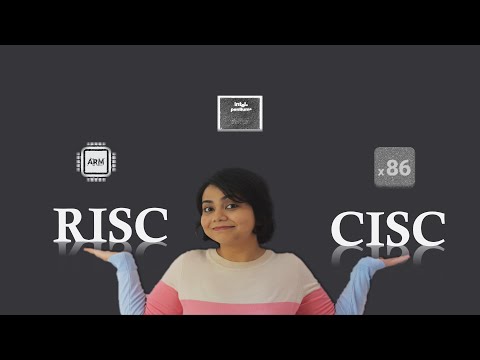
ARM vs x86 Which has the Best Processor Architecture When it comes to the heart of your computing device, two heavyweight contenders step into the ring: ARM and x86. These processor architectures power a wide range of devices, from smartphones and tablets to laptops and servers. Let’s dive into their differences, strengths, and recommendations for different use cases. Defining ARM and x86: ARM Architecture: Scalability: ARM architectures are highly scalable, ranging from low-power microcontrollers to high-performance multicore processors. Power Efficiency: ARM chips, by design, are much more power-efficient than x86 CPUs. They follow the RISC (Reduced Instruction Set Computing) architecture, which simplifies their design. Popularity: ARM dominates the mobile and small electronics market due to its energy efficiency and ability to handle heterogeneous compute workloads12. x86 Architecture: Legacy: The x86 platform, used by Intel and AMD, has a rich history dating back to the 1970s. It evolved from the 8-bit Intel 8008 to the 64-bit processors we have today. Performance: x86 processors, especially from Intel, offer high performance but consume more power. They follow the CISC (Complex Instruction Set Computing) architecture. Extensions: Over generations, x86 CPUs added features like multitasking support, virtual memory, and 32-bit/64-bit operations34. Comparing Strengths: Gaming Performance: x86: Historically dominant in gaming due to higher clock speeds and robust graphics support. ARM: Improving rapidly; Apple’s M1 and M2 chips show promising gaming performance. Schooling and Productivity: x86: Widely used in laptops for software development, content creation, and multitasking. ARM: Growing presence; offers excellent battery life and responsiveness for everyday tasks. Business Professionals: x86: Trusted for business applications, virtualization, and compatibility with legacy software. ARM: Emerging in business laptops; excels in portability, security, and energy efficiency. Recommended Laptops: Best Gaming Laptops: MSI Titan 18 HX: A beast with an Intel Core i9-14900HX and Nvidia GeForce RTX 4090. Luxurious but pricey5. Acer Nitro 16: Budget-friendly with RTX 4050 and Ryzen 5 7640HS, great for casual gamers5. Best Student Laptops: Dell Alienware m16 R1: Amazing gaming experience with AMD Ryzen 7040 CPUs and RTX 4090 options6. Lenovo ThinkPad X1 Carbon: Premium, reliable, and ideal for productivity7. Best Business Laptops: Lenovo ThinkPad X1 Carbon: Trusted by professionals for its durability and performance7. Apple MacBook Pro (M1): ARM-based, efficient, and great for creative work
- 5213Просмотров
- 1 год назадОпубликованоdbdesign labs
ARM vs x86 Which has the Best Processor Architecture
Похожее видео






Популярное
Новини